Plenty of patients are surprised when we tell them that a habit they barely notice is one of the most common reasons we see cracked teeth on the Mountain. Chewing ice has a reputation as harmless, even refreshing. The trouble is that teeth and ice are both hard, and when two hard things meet under the force of a jaw, the tooth does not always win.
Why ice is so hard on your teeth
Enamel is the toughest substance in your body, but it is not built to crush solid ice cube after solid ice cube. Two things happen at once. The hardness of the ice can chip an edge or start a hairline crack, especially on a tooth that already has a large filling or a weak spot. At the same time, the cold makes the tooth contract slightly, and that repeated thermal stress, hundreds of cubes over months, fatigues the enamel the way bending a paperclip back and forth eventually snaps it.
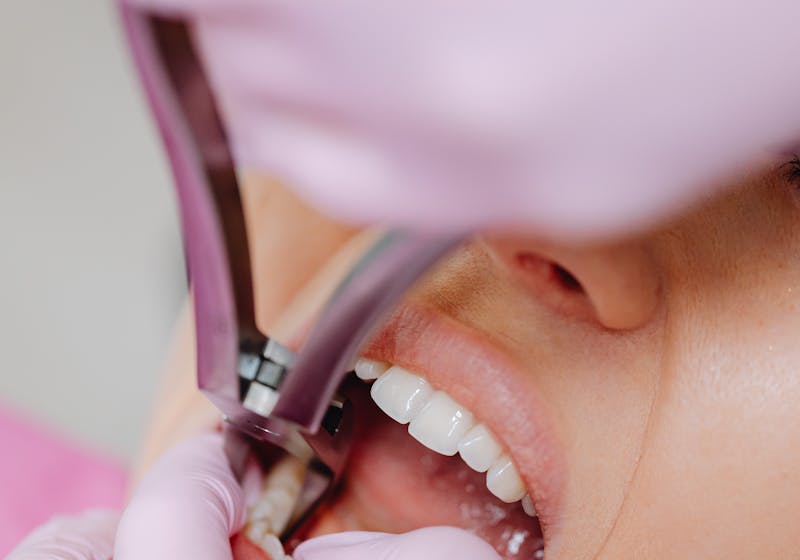
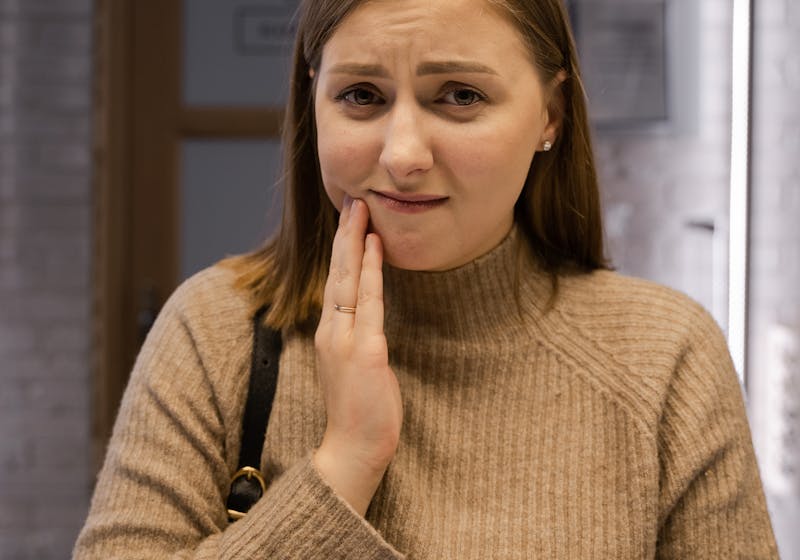
A cracked tooth does not always hurt right away. Sometimes you feel a twinge on chewing or a flash of sensitivity to cold. Left alone, a small crack can deepen until the tooth needs a crown to hold it together, or in the worst cases a tooth extraction if the crack runs below the gumline. Catching it early almost always means a smaller, simpler fix. Night-time teeth grinding puts teeth under the same kind of repeated stress, often without you knowing.
The hidden message behind a strong ice craving
Here is the part most people have not heard. A persistent, almost compulsive urge to chew ice has a name, pagophagia, and it is sometimes linked to iron deficiency or anaemia. Researchers are still working out exactly why, but the craving tends to ease once iron levels are corrected.
This does not mean everyone who enjoys ice is low on iron. But if you find yourself craving it daily, keeping cups of it at your desk, or feeling driven to crunch it, that is worth a mention to your family doctor and a simple blood test. Your teeth and the rest of your body may be telling you the same thing.
How to stop chewing ice, step by step
Like most habits, this one breaks faster with a plan than with willpower alone. Try these in order:
- Switch your drinks to no ice or less ice. If it is not in the glass, you cannot chew it. Ask for drinks without ice when you are out.
- Let the ice melt instead of biting. Hold a piece and let it dissolve, or sip the cold drink rather than fishing out cubes.
- Swap the crunch for something safe. Sugar-free gum, crunchy vegetables like carrots or celery, or a cold drink through a straw can satisfy the urge without risking enamel.
- Use crushed or slushy ice if you must. Softer, flaked ice is far gentler than hard cubes, so it is a sensible middle step while you cut back.
- Get your iron checked. If the craving is strong and constant, ask your doctor about it. Treating the cause often makes quitting effortless.
- Have any chips or sensitivity looked at. If a tooth already feels rough or twingey, book a visit before a small crack becomes a big one.
Already cracked a tooth?
If you have bitten down on ice and felt a snap, or you notice a sharp pain when you chew, do not wait it out. Avoid that side of your mouth and call us so we can see what is going on. Many cracks are repairable with a filling or a crown when caught early. If you have severe pain, swelling or a visible break, our emergency dentist in Hamilton service can see you quickly. For more on handling sudden tooth trouble, read what to do in a dental emergency.
Worried about a chipped or sensitive tooth?
Book a visit on Hamilton Mountain and we will check for cracks and help you protect your smile.
Book an Appointment