
A cracked or broken tooth
A crown holds a cracked tooth together and stops the split from spreading down toward the root, where it could mean losing the tooth.
When a tooth is cracked, worn down or weakened by a large old filling, a crown wraps around it and brings back its strength. At Limegreen Dental on Hamilton Mountain, we make porcelain and ceramic crowns that protect the tooth and blend in with your smile.
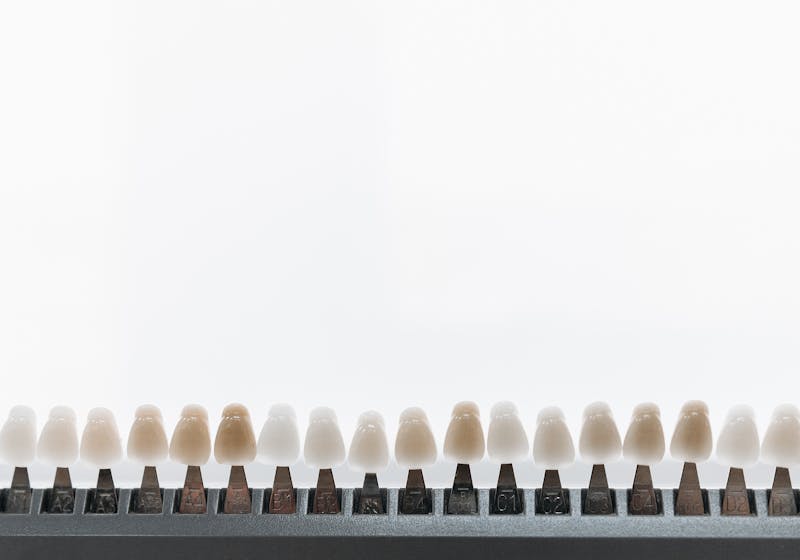
A crown is a custom cap that fits over the whole visible part of a tooth. Think of it as a snug helmet for a tooth that can no longer stand up to chewing on its own. Once it is bonded in place, it takes the pressure of biting and holds the remaining tooth together so it does not split further. From the outside it looks and works like a normal tooth.
We shape each crown to match the colour and contour of the teeth around it, so it does not stand out. For a back tooth that does the heavy lifting, the priority is strength. For a tooth that shows when you smile, we also pay close attention to shade and translucency so the result looks natural in everyday light.
A filling is enough for small repairs, but some teeth need the full coverage a crown gives. These are the situations we see most often at our Limeridge Road West clinic.
A crown holds a cracked tooth together and stops the split from spreading down toward the root, where it could mean losing the tooth.
When a big filling fails or there is more filling than tooth left, a crown gives a more reliable, longer-lasting repair.
A tooth that has had a root canal becomes brittle. A crown protects it from fracturing so it can keep serving you for years.
Crowns are also used to restore badly worn teeth from grinding, to cover a dental implant, and as part of a wider smile makeover when a front tooth is misshapen or discoloured. If a tooth has flared up with pain or infection, the path often starts with root canal therapy and finishes with a crown to seal and strengthen it.
Most of the crowns we place are all-porcelain or all-ceramic, because they look the most like natural teeth and contain no metal. They reflect light the way enamel does, which matters for teeth near the front of your mouth. For molars that take a lot of force, we may suggest a stronger ceramic such as zirconia, which stands up well to heavy chewing while still looking tooth-coloured.
We will talk through which material suits the tooth and your bite. There is no single right answer for every mouth, so the choice is one we make together based on where the tooth sits and how hard it works.
A traditional crown usually takes two visits with a couple of weeks in between while the lab makes your permanent crown.
We check the tooth, take digital x-rays and explain why a crown is the right fix. You will know the plan before anything starts.
With the tooth numbed, we remove decay and gently reshape it so the crown will fit. Then we take a scan or impression and fit a temporary crown to wear in the meantime.
At the second visit we remove the temporary, try in your permanent crown, check the colour and bite, and bond it firmly in place.
We make sure your bite feels even and polish the crown so it sits comfortably. You leave with simple care tips for the first few days.
A crown is not vulnerable to decay itself, but the natural tooth underneath and the gum around it still are. That means the same routine you use for the rest of your mouth keeps a crown healthy: brush twice a day, floss around it daily, and keep up your regular cleanings and check-ups. Try not to chew ice or open packaging with your teeth, and if you grind at night, ask us about a nightguard to protect both your crown and your natural teeth.
If a tooth is too damaged to save, a crown on its own will not help. In that case a dental implant topped with a crown can replace the whole tooth, root and all. We will tell you honestly which option fits your tooth.
A crown helps keep a tooth you might otherwise lose. We bill most insurance plans directly, accept the Canadian Dental Care Plan for eligible services, and check and explain your coverage with you before treatment so you know what your plan includes.
If a tooth is sore when you bite, has a chip you keep catching with your tongue, or holds an old filling that feels like it is failing, do not wait for it to break further. We see crown patients from across the Mountain, Ancaster, Dundas and Stoney Creek, with free parking off Upper James. When you are ready, book a crown consultation or call our team. New to the practice? Our new patient page covers what to bring to your first visit.
Good to know
Still wondering about something? Call (905) 383-7979 or request a consultation.
A well-made crown often lasts ten to fifteen years, and many last longer. How long yours lasts depends on the tooth it covers, your bite and how well you keep up brushing, flossing and regular cleanings at our Hamilton Mountain clinic. We check your crowns at each visit so small issues are caught early.
The tooth is numbed with local anaesthetic, so you should not feel pain while we prepare it. Some people notice mild sensitivity to hot or cold for a few days after, which usually settles on its own. If your tooth was sore before the crown, the crown often relieves that discomfort by protecting it.
A filling repairs a small area of decay or damage inside a tooth. A crown covers the whole visible part of the tooth and is used when too much structure is missing for a filling to hold, such as after a large old filling fails, a tooth cracks or a tooth has had a root canal.
A traditional crown usually takes two visits. At the first, we shape the tooth and fit a temporary crown while the lab makes your permanent one. At the second, we remove the temporary and bond the final crown in place. We will tell you the exact plan at your consultation.
Yes. We choose the shade and shape of porcelain or ceramic crowns to blend with the teeth around them, so the result looks natural. For front teeth in particular, matching colour and translucency is something we take time over.
Many insurance plans cover a portion of crowns, and the Canadian Dental Care Plan covers specific eligible services. We bill most plans directly and check and explain your coverage before treatment so you know what your plan includes.