
Numb and comfortable
The area is fully frozen first, so you feel pressure, not pain.
Tooth extraction
Nobody looks forward to losing a tooth, but when one cannot be saved, a gentle extraction is the kindest thing for the rest of your mouth. At Limegreen Dental on Hamilton Mountain we handle simple and surgical extractions, including wisdom teeth, with comfort options and clear aftercare.
We always try to save a natural tooth first, with a filling, a crown or a root canal. Removal is the last resort, reserved for the times when keeping a tooth would do more harm than good. Common reasons we recommend an extraction include:
We will always explain why an extraction is the right call and what the alternatives are, so the decision is one you understand and agree with.
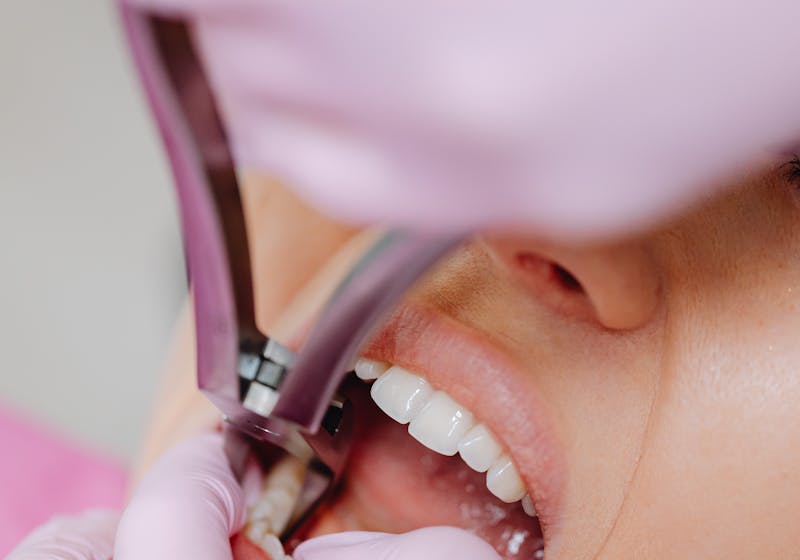
A simple extraction is for a tooth that has fully come through and is visible above the gum. After numbing the area, we gently loosen the tooth and lift it out. The visit is usually short, and most people are surprised by how straightforward it feels once they are frozen.
A surgical extraction is needed when a tooth is broken at the gum line or has not fully erupted, which is often the case with impacted wisdom teeth. It may involve a small incision in the gum and, sometimes, removing the tooth in sections so we can take it out gently. We talk you through the plan beforehand so there are no surprises.
Wisdom teeth are the last molars to arrive, usually in the late teens or early twenties. There is often not enough room for them, so they come in at an angle, push against the tooth in front, or only partly break through the gum, which traps food and bacteria. That can lead to pain, swelling and repeated infections. An x-ray lets us see the position of the roots and nerves and decide whether removal is wise. If your wisdom teeth are healthy and easy to clean, we are happy to leave them be and keep an eye on them.
The area is fully frozen first, so you feel pressure, not pain.
Calming options for anxious patients and more involved surgical cases.
Written instructions and a number to call if anything worries you.
In real pain? We hold emergency time and will try to see you the same day.
Dental anxiety is common, and an extraction is exactly the kind of visit that makes people nervous. We take that seriously. Beyond thorough local anaesthetic, we offer comfort options to help you stay calm and relaxed, especially for surgical work or wisdom teeth. We work at your pace, explain each step before it happens, and check in with you throughout. Many patients tell us afterward it was far easier than they expected.
What you do in the first few days makes a real difference to how smoothly you heal. After your extraction we will go through everything in person, but the essentials look like this:
Bite gently on the gauze to control bleeding, rest, and keep your head slightly raised. Avoid rinsing, spitting and hot drinks so the blood clot can form and protect the socket.
A cold compress on the cheek helps with swelling. Take any recommended pain relief as directed, and stick to soft, cool foods like yogurt, soup and smoothies, but skip the straw.
Do not smoke for several days, as it slows healing and raises the risk of a dry socket. After the first day, gentle warm salt-water rinses keep the area clean.
Most people feel comfortable within a few days. Brush carefully around the area and return to your usual routine gradually. Call us if pain worsens after day three or you notice ongoing bleeding.
A badly broken or infected tooth can be a dental emergency. Call us early at (905) 383-7979 and we will do our best to see you the same day. You can also request an appointment online and note that it is urgent.
Once a tooth other than a wisdom tooth is gone, the gap rarely takes care of itself. Neighbouring teeth can tilt or drift into the space, the opposing tooth may over-erupt, and the jawbone in that area slowly shrinks. Planning a replacement keeps your bite, your appearance and your remaining teeth in good shape.
For many patients the best long-term answer is a dental implant, which replaces both the root and the crown and feels much like a natural tooth. We will let the site heal first, then talk through implants and other options so you can choose what suits you. If you want to read more first, our blog explains how dental implants improve your smile.
New to the clinic? Our new patient page walks you through your first visit, and we bill insurance directly and accept the Canadian Dental Care Plan.
Good to know
Have another question? Call (905) 383-7979 or see our full FAQ.
The area is fully numbed with local anaesthetic before we begin, so you should feel pressure but not pain during the extraction. For anxious patients or more involved surgical extractions, comfort options are available. Most discomfort afterward is mild and managed with over-the-counter pain relief.
Not always. Wisdom teeth that come in straight and stay clean can be left alone. We usually recommend removal when they are impacted, crowding other teeth, partly erupted and hard to clean, or causing pain, infection or repeated swelling. An x-ray shows us exactly what is going on.
Most people feel back to normal within a few days, though the socket takes a couple of weeks to close over and longer to fully heal underneath. Surgical and wisdom tooth extractions may need a little more downtime. Following the aftercare instructions closely speeds things up.
A dry socket happens when the protective blood clot over the extraction site is lost too early, leaving the bone exposed and sore. You lower the risk by avoiding smoking, vigorous rinsing and drinking through a straw for the first few days. If pain worsens around day three, call us.
For most teeth other than wisdom teeth, yes. Leaving a gap can let neighbouring teeth drift and the jawbone shrink over time. A dental implant is a popular long-term replacement. We will talk through your options once the area has healed.