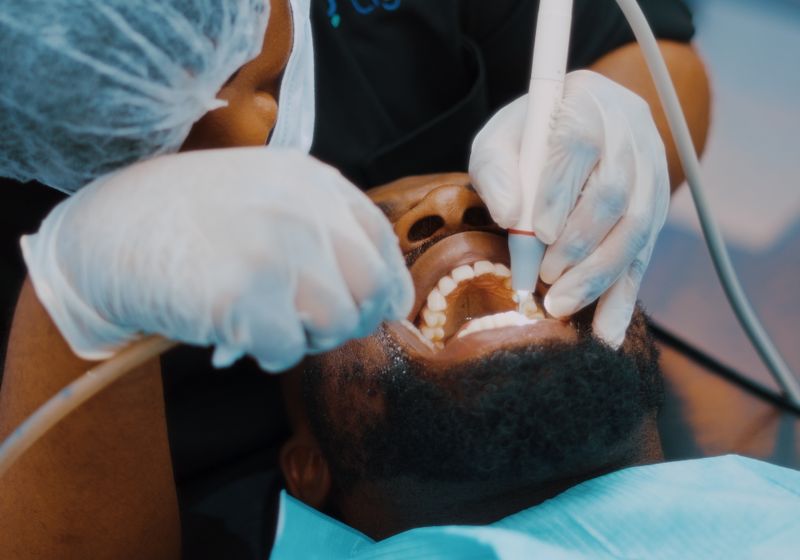

It is easy to think of a dental visit as something separate from the rest of your health, a quick stop to polish your teeth and send you on your way. The reality is more interesting. Dentists are often among the first to notice signs that something else is going on in the body, because the mouth tends to show changes early. When we look at your gums and soft tissue, we are reading a small window into your overall health.
Gum disease is where the story starts
Most of the mouth-body connection runs through your gums. Gum disease begins quietly as gingivitis, with gums that bleed when you brush or look a little red and puffy. Left alone, it can advance to periodontitis, where the bone and tissue holding your teeth begin to break down. That process involves persistent inflammation and a steady population of bacteria, and neither stays politely confined to the mouth. They can enter the bloodstream and add to inflammation elsewhere in the body, which is the thread that ties oral health to so many other conditions.
The links worth knowing about
Your heart
Researchers have repeatedly found that people with gum disease are more likely to have heart and blood vessel problems. The leading explanation is inflammation. The same inflammatory process that damages gums appears to contribute to the buildup in arteries. This does not mean a cavity will cause a heart attack, but it does mean that healthy gums are one sensible part of looking after your heart.
Diabetes
This connection runs in both directions, which makes it especially important. High blood sugar makes infections, including gum disease, harder to fight, so people with diabetes tend to have more gum trouble. At the same time, the inflammation from gum disease can make blood sugar harder to control. If you live with diabetes, keeping your gums healthy is genuinely part of managing the condition, and we will often coordinate with your care in mind.
Pregnancy
Expecting mothers go through hormonal changes that make gums more likely to swell and bleed, sometimes called pregnancy gingivitis. Beyond the discomfort, gum disease during pregnancy has been linked to certain pregnancy outcomes, which is why routine cleanings and check-ups remain safe and encouraged throughout. If you are expecting, let us know so we can adjust your visit to keep you comfortable.
What your mouth can quietly reveal
Beyond these big links, the mouth shows smaller clues too. A very dry mouth can point to medication side effects or other conditions. Frequent infections or sores that are slow to heal can be worth investigating. Loose teeth, ongoing bad breath and bleeding gums are all signals we take seriously rather than brush past. None of these prove a diagnosis on their own, but together they tell us when to look closer and, sometimes, when to suggest you also check in with your family doctor.
Why regular check-ups matter so much
This is the practical takeaway. A six-month cleaning and check-up is not only about a brighter smile. It is the appointment where we measure your gum health, clear the hardened plaque that home brushing cannot reach, and catch early changes before they become serious. Caught early, gingivitis is reversible. Left for years, it is much harder to undo. We wrote more about this in our article on why a regular dental check-up is important, which pairs well with what you have read here.
Because these connections touch every stage of life, from a child's first gums to a grandparent managing diabetes, our family dentistry team looks after whole households in one place on the Mountain. Keeping everyone's regular visits is one of the simplest, most effective things you can do for your family's health, not just their teeth.
When did you last have your gums checked?
A check-up looks after more than your smile. Book a visit with our gentle Hamilton Mountain team today.
Book an Appointment